A Brand Designer's Take on Football Lineman Graphics
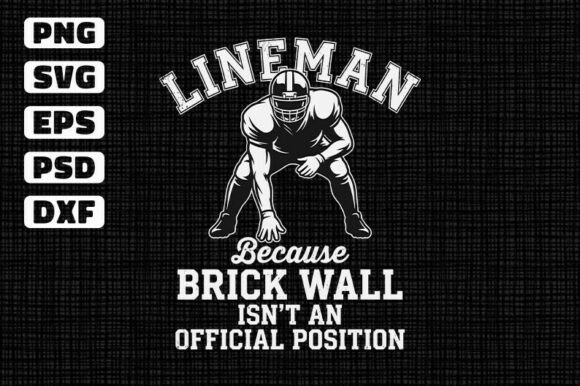
You know that moment when you unzip a new digital file and feel an immediate spark? That was my first impression of the American Football Lineman Game Day Svg. It’s not just an illustration; it’s a statement. The bold, aggressive stance of the player, combined with that clever “Brick Wall” tagline, projects raw power and unyielding defense. For a brand owner looking to connect with sports fans, especially on game days, this graphic design asset instantly creates a mood of toughness, loyalty, and team spirit.
This mood is invaluable. It brings an emotional tone of resilience and pride, making it perfect for casual branding aimed at a passionate niche. Whether you’re selling apparel, creating content for a sports blog, or promoting a local team event, this asset feels authentic. It doesn’t try to be overly premium or minimalist; it’s robust and direct, which is exactly what the audience expects.
From T-Shirt Designs to Full Campaign Visuals
I framed a recent project around a small business launching a new line of game-day merchandise. The core product was, naturally, t-shirt designs. But a launch needs more than just a product photo; it needs a complete content kit to fuel social media, ads, and email marketing. The American Football Lineman Game Day Svg became the cornerstone.
Its versatility as a digital file meant we could adapt it without losing quality. For brand identity, we used a simplified version as a secondary logo mark on packaging design and product labels. For social media graphics, it formed the hero image for Instagram posts announcing the launch. On Pinterest pins, the detailed illustration captured attention in the sports DIY and fan art niches. We placed it within Facebook ad mockups, and it held its own, providing a strong visual anchor without overshadowing the call-to-action text.
Where This Graphic Asset Strengthens Your Marketing Goals
In practical use, this SVG supports several key marketing objectives. Its bold lines create a stronger first impression on a website header or email banner, stopping the scroll. The visual hierarchy is clear: the lineman is the focal point, with the text element supporting it, not competing. Repeated use across a campaign—from blog graphics to digital ads—builds more consistent branding and fosters stronger recognition.
For audience trust, it signals that you understand the culture. This isn’t a generic sports clipart; it’s specific and knowingly humorous, which builds an emotional connection. That connection translates into better engagement on social posts and more memorable campaign visuals overall. The professional appearance of a well-crafted SVG ensures your materials don’t look messy or amateurish, even on fast-paced promotional banners.
The Ideal Applications for This Sports Illustration
This creative design truly shines in specific applications. Think hero graphics for a season kickoff blog post. It’s perfect for campaign headers promoting a “Game Day Sale.” Use it in product launch visuals for new merchandise, or as a base for branded Canva templates your community can use. It works wonderfully as a social media cover photo for a football-focused page, as a packaging accent on thank-you cards, or as a decorative element in content bundles for sports coaches.
For printable designs like event flyers or posters for a tailgate party, it provides immediate thematic relevance. And, of course, its core strength lies in merchandise—not just t-shirt designs, but stickers, vinyl decals, and other digital product visuals where its scalable SVG format guarantees crisp results.
Notes for Careful Integration into Your Brand System
However, as a brand designer, I must note where to apply caution. This asset is inherently bold and thematic. It may clash with formal corporate branding that requires extreme neutrality. Avoid using it in dense information layouts where its detail could become distracting clutter. Test it thoroughly in small mobile graphics; the fine lines of the helmet or pads might lose readability at tiny sizes.
Be wary of placing it on low-contrast backgrounds where it might fade. For overly minimal brands, it could feel too busy. In text-heavy ads, ensure it doesn’t compete with the main message by giving it ample space and perhaps using a monochrome version. The key is to let it support, not dominate.
Practical Brand Designer Checklist Before You Launch
Before committing this design asset to a real campaign, run through this quick list. First, test it with your brand color palette. Can you recolor the SVG to align with your primary colors? Check its black and white usage for situations where color isn’t available. Crucially, place it inside real campaign mockups—see how it looks on a mock Facebook ad, an email banner, and a product label template.
Preview it on mobile screens to assess scale and impact. Test its readability when scaled down for a small Instagram story graphic. Conduct a quick compare it against competitor visuals to ensure it stands out uniquely. Experiment with how it pairs with different font styles: does it balance well with a strong sans-serif for modern brands, or could it work with a rugged script font for a handmade product feel?
Review the spacing and balance when you add your own text elements. And finally, this is non-negotiable: confirm commercial licensing before using it in any paid campaigns, client work, or permanent business branding. Knowing you have the right to use this digital file for commercial design work provides the foundation for all your creative marketing.
In conclusion, the American Football Lineman Game Day Svg is more than a graphic for t-shirt designs. It’s a versatile, mood-setting marketing visual that can elevate a niche sports campaign from concept to consistent execution. For content creators, small business owners, and creative entrepreneurs in the sports space, it’s a design asset that communicates strength, authenticity, and fan-centric passion, helping you build a brand that your audience wants to defend as fiercely as that lineman.