A Designer’s Take on the “It’s Not Me It’s You” Retro Embroidery Design
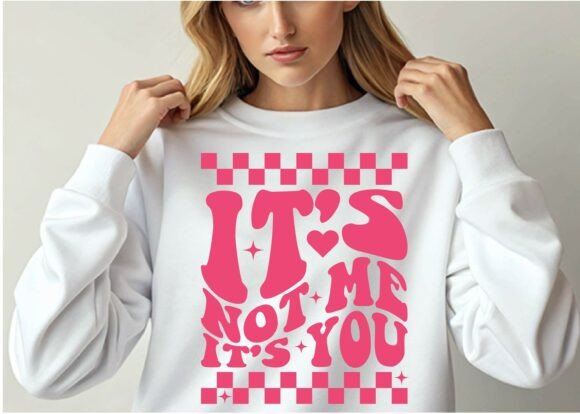
When a new embroidery file lands in my library, I don’t just look at it on screen. I immediately start imagining it stitched out, on a real product, in a real situation. Today, I’m evaluating the “It’s Not Me It’s You” Retro PNG/SVG file, not as a digital graphic, but as a potential embroidery design for my next project. My first impression? It’s playful, blunt, and perfectly nostalgic. The retro typography and layout scream 70s or 80s vibe—it’s a statement with a wink. This isn’t a delicate floral motif; it’s a personality piece.
The Mood It Creates & Where It Belongs
This design carries a confident, slightly cheeky energy. It feels like it belongs on items meant for self-expression or lighthearted gifting. I picture it on a custom embroidered tote bag for a friend who appreciates vintage humor, or as a bold statement on the back of a sweatshirt. The theme is universal enough for a wide audience, but the retro styling gives it a specific, desirable niche appeal. For craft business owners and Etsy sellers, that’s a valuable combination: recognizable sentiment with unique visual personality.
Real-Life Embroidery Scenario: The Boutique Tote Bag
Let’s walk through a real case. I’m preparing a small batch of embroidered tote bags for my local boutique. I want something that feels handmade but has a strong, sellable message. The “It’s Not Me It’s You” design comes to mind. On a sturdy canvas bag, the retro lettering, done in a crisp satin stitch, would pop beautifully. I’m thinking a contrasting thread color—maybe a bright orange or teal against a natural fabric—to really highlight that vintage feel. The layout is straightforward, not overly dense, which means it should stitch out cleanly without requiring excessive stitch density that could stiffen the bag material. This is a prime example of a graphics file translating well into an embroidery project.
Performance Across Different Embroidery Projects
This design’s strength is its versatility in concept, but careful consideration is needed for its execution across different products. For custom apparel like t-shirts and sweatshirts, it’s ideal as a centered chest design or a shoulder motif. On baby clothes? Probably not—the message is more adult. But as a playful element on an apron or a kitchen towel for a fun-loving home, it works wonderfully. For patches, the clear lettering and solid shapes would make for a very readable, professional-looking embroidered patch. When thinking about holiday gifts or personalized products, it’s a great option for someone with a known sense of humor.
In commercial embroidery or for small shop merchandise, this design acts as a ready-made brand asset. It conveys a specific mood instantly. For digital product sellers creating printable mockups, the retro aesthetic provides an attractive, trendy visual that can enhance product previews. The key is aligning the product with the design’s playful, retro personality.
Where This Design Demands Extra Care
Not every project is a perfect fit. The retro styling often relies on clean lines and distinct letterforms. On highly textured fabrics like certain knit blankets, the small details might get lost. On stretchy fabric, careful stabilizer choice is non-optional to prevent distortion of those crisp shapes. Embroidering this onto curved surfaces like caps requires testing—the layout might need slight adjustments to sit correctly on the curved panel.
Most critically, if the design includes tiny lettering or very dense decorative accents, you must test it on scrap fabric first. Check the stitch density in your embroidery file to ensure it won’t puckering thin fabrics like classic tees. For dark fabric backgrounds, thread color contrast is paramount; a light or bright thread will make the statement clear and maintain stitching clarity. Always, always test in both light and dark fabric mockups before committing to a production run.
Impact on Product Value & Customer Perception
From a business perspective, using a well-executed embroidery design like this elevates the finished product. It moves from a generic item to a curated, themed piece. For handmade presentation and brand consistency, a clean stitch-out of this bold design signals professionalism. It feels intentional. This boosts customer trust and engagement—they see a product with a clear, attractive idea.
Its giftability is high for the right recipient. It’s recognizable and shareable, which is great for social media-friendly products. For craft fair products or Etsy listings, a strong, witty design like this can catch the eye faster than a more subtle pattern. It tells a story immediately, which is a powerful tool for creative entrepreneurs and makers.
Practical Notes for the Embroidery Designer
Before you hoop your fabric, here’s my standard checklist for a design like “It’s Not Me It’s You” Retro:
- Run a test on scrap fabric of the same type you’ll use for the final product. Check for any skipped stitches or unclear details.
- Review the embroidery file closely. Identify areas that might be pure fill stitch versus satin stitch borders to plan your thread colors.
- Confirm your hoop size can accommodate the design comfortably without needing to crowd it.
- Inspect small details in the retro graphics—any tiny stars, dots, or decorative elements? Ensure they’ll survive the stitching process.
- Use the proper stabilizer for your chosen fabric. This is non-negotiable for maintaining the design’s shape.
- Consider creating simple black and white thread mockups to see how it reads in high-contrast scenarios.
- Crucially, confirm the licensing of the graphics file. Understand if it’s cleared for both personal projects and commercial embroidery projects before you sell any finished items or digital products derived from it.
Embroidery is a transformation from digital to tactile. The “It’s Not Me It’s You” Retro PNG/SVG file has the core ingredients to make that transformation successfully: a strong mood, a clear layout, and a versatile theme. By pairing it with the right fabric, thread, and product concept, you can create embroidery projects that are not just well-made, but meaningfully fun. That’s the kind of design that keeps customers coming back to your handmade shop.